

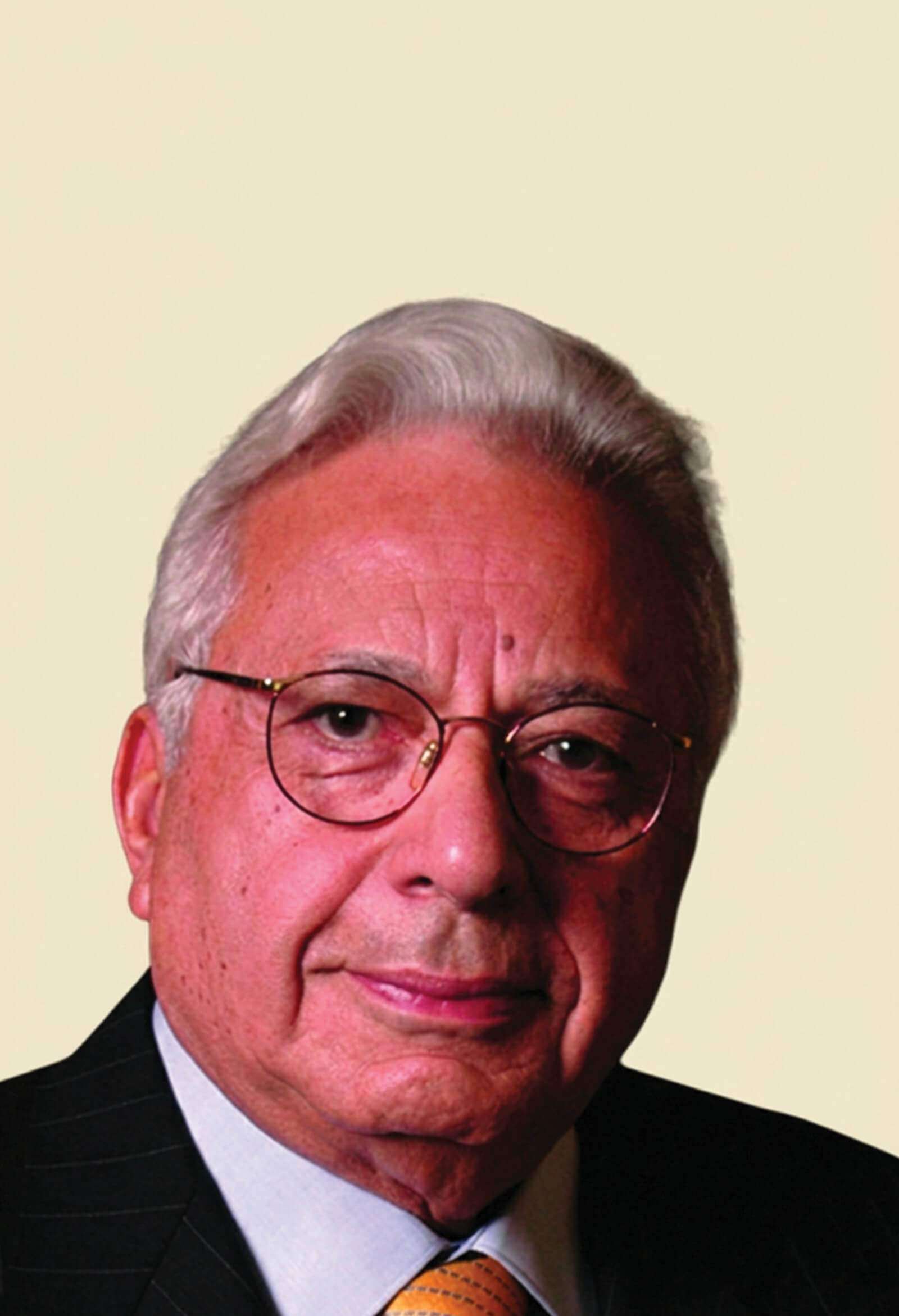
Prof.
Ahmed Okasha
Psychiatrist and Addiction Treatment Consultant
Prof. Ahmed Okasha is recognized as one of the most influential psychiatrists of the modern era, a towering figure whose career has profoundly shaped the discipline across Egypt, the Arab world, and the international community.
His professional journey, spanning more than half a century, reflects a rare synthesis of clinical excellence, academic innovation, ethical leadership, and global advocacy.
As the founder of the Okasha Institute of Psychiatry at Ain Shams University—later designated a WHO Collaborating Center—he established a pioneering institution that became a cornerstone for psychiatric research, postgraduate training, and service delivery in the Middle East.
Through this institute, he mentored generations of psychiatrists, supervising more than 200 postgraduate theses and nurturing a cadre of professionals who would go on to advance mental health care regionally and globally. His leadership extended far beyond Egypt, culminating in his presidency of the World Psychiatric Association (2002–2005), where he spearheaded landmark programs on stigma reduction, child and adolescent mental health, postgraduate curriculum development, and the expansion of psychiatric services in underserved regions such as Sub-Saharan Africa and Central Asia.
Earlier, he chaired the WPA Ethics Committee for nearly a decade, shaping global standards of psychiatric ethics and ensuring that cultural and social dimensions were integrated into psychiatric practice worldwide.
Nationally, Prof. Okasha played a decisive role in building Egypt’s psychiatric infrastructure, serving multiple terms as President of the Egyptian Psychiatric Association and the Arab Federation of Psychiatrists, while also advising the Ministry of Justice in forensic psychiatry and contributing to national councils on addiction, ethics, and culture. His influence extended into policymaking, education, and cultural institutions, positioning psychiatry as a vital component of Egypt’s medical and intellectual landscape.
He was also deeply engaged in international collaborations, serving as Vice President of the International Academy of Psychotherapy and Behavioral Medicine in the United States, President of the Franco-Egyptian Psychiatric Association, and a member of the Executive Committee of CIOMS (Council for International Organizations of Medical Sciences), a joint initiative of WHO and UNESCO.
His scholarly output is vast and enduring: more than 245 peer-reviewed articles, 56 books in Arabic and English, and contributions to landmark international textbooks such as the Oxford Textbook of Philosophy and Psychiatry and the Oxford Textbook of Suicidology. His editorial leadership across numerous journals—including founding the Egyptian Journal of Psychiatry and serving on boards of leading international publications—further amplified his voice in shaping psychiatric discourse.
Prof. Okasha’s achievements have been recognized with some of the most prestigious honors in the field, including the Kraeplin–Alzheimer Medal, the Golden Medal of IACAPAP, Egypt’s El Nil Award for Medical Sciences, and honorary fellowships from leading psychiatric and medical associations in Europe and the United States.
These accolades reflect not only his scholarly excellence but also his ability to connect psychiatry with broader societal issues, from cultural identity to public policy.
His legacy lies in his vision of psychiatry as a discipline that transcends clinical boundaries, engaging with ethics, culture, and human rights, and in his lifelong commitment to advancing mental health both regionally and globally.
In sum, Prof. Ahmed Okasha is not merely a distinguished clinician and academic; he is a transformative figure whose work has redefined psychiatry’s role in society, elevated Egypt’s standing in the global psychiatric community, and inspired generations of practitioners, scholars, and policymakers to view mental health as a cornerstone of human development and social progress.
His career remains a testament to the power of medicine when combined with cultural insight, ethical leadership, and an unwavering dedication to humanity.
He exemplifies how psychiatry, when practiced with vision and compassion, can transcend its medical boundaries to become a force for societal change, cultural understanding, and global collaboration.
Through his tireless efforts, Prof. Okasha has left an indelible mark on the history of psychiatry, ensuring that the discipline continues to evolve in ways that honor both scientific rigor and the human spirit.
His enduring influence is felt not only in the institutions he built and the policies he shaped, but also in the countless lives touched by his commitment to advancing mental health as a universal human right.
His legacy is one of scholarship, leadership, and humanity, positioning him as a true pioneer whose contributions will continue to resonate across generations and whose vision has permanently elevated the role of psychiatry in medicine, culture, and society.